Psychodynamic Training for Australian Psychologists
At Deep Mind Psychodynamic Training, we provide psychologists at any career stage with practical training in Psychodynamic Psychotherapy and relational work. Say goodbye to years of study and costly investments and hello to streamlined learning and practical skills you can apply immediately!
Who We Serve:
Are you a psychologist struggling with?
Open to psychologists, therapists and counsellors working psychodynamically or relationally.

Burnout & exhaustion
Self-doubt & imposter syndrome
Feeling something is missing in your work
Surface-level treatments with no depth
Uncertainty about better client outcomes
Doing it all alone

You’ve probably tried…
1
Supervision & CPD training
2
Self-development workshops
3
Journaling & self-reflection
4
Reading therapy books & research
5
Experimenting with different techniques
Yet, something is still missing.
You’re still exhausted, second-guessing yourself,
and searching for deeper impact.
But there’s a better way.
Here’s how we do it…
Our Transformation Modules help psychologists, therapists and counsellors at any stage of their career develop a deeper understanding of psychodynamic psychotherapy and relational work—
without the years of study or costly investment.

Through a streamlined, practical approach, you’ll gain:
A structured framework to navigate complex client dynamics
Practical tools to move beyond surface-level symptom treatment
Skills to avoid burnout and sustain a fulfilling career
A supportive network of like-minded professionals
Insight into how your own attachment style shapes your work with clients
Insight into your own countertransference, and how to work with it in session
Here’s what to expect:
Wake up
feeling lighter
and excited to
go to work
Learn how to navigate client resistance without frustration
Feel less
pressure to "fix" your clients or take on too much
Achieve a more balanced, harmonious professional and personal life
Connect with a community of like-minded peers across Australia

Are You Ready for the Deep Mind Journey?
Not every training is the right fit at every stage of your career.
This quick 10-question self-assessment will help you discover if you’re best suited for:
✨ The Deep Mind Transformation Method (our foundational 4-module course),
🌊 The Deep Mind Mastery Journey (our advanced 8-week training),
…or if right now, it may not be the right time for either program.
Each question explores how you approach therapy — from setting the frame and using psychoeducation to working with countertransference, nonverbals, and interpretations.
Take a few minutes, answer honestly, and see what your results reveal.
We’ve helped hundreds of psychologists
transform their practice!
“Tania is an inspiring and engaging presenter.... she provided a conceptual overview of how psychodynamic psychotherapy and relational psychotherapy can be integrated to help me feel more confident and connected in every session.”
Helena, S. (Vic)
“The program was an excellent mix of strategy, theory and actionable insights that I could implement right away.”
Katie, G. (Qld)
“Attending the webinar was a game-changer for me. I had been struggling with burnout and felt disconnected from the work I once loved. [Now], I left feeling re-energized, equipped with the tools to not only support my clients but also take better care of myself.”
Siham, Y. (Qld)
FREE LIVE WEBINAR
Join Tania's Next Free Live Webinar
Register your interest below, we'll confirm the date soon · The Masterful Art of Socratic Questioning
A free live session for psychologists ready to bring more depth, ease and connection into their sessions. Ask your questions live and get a first look at the thinking behind the Deep Mind approach.
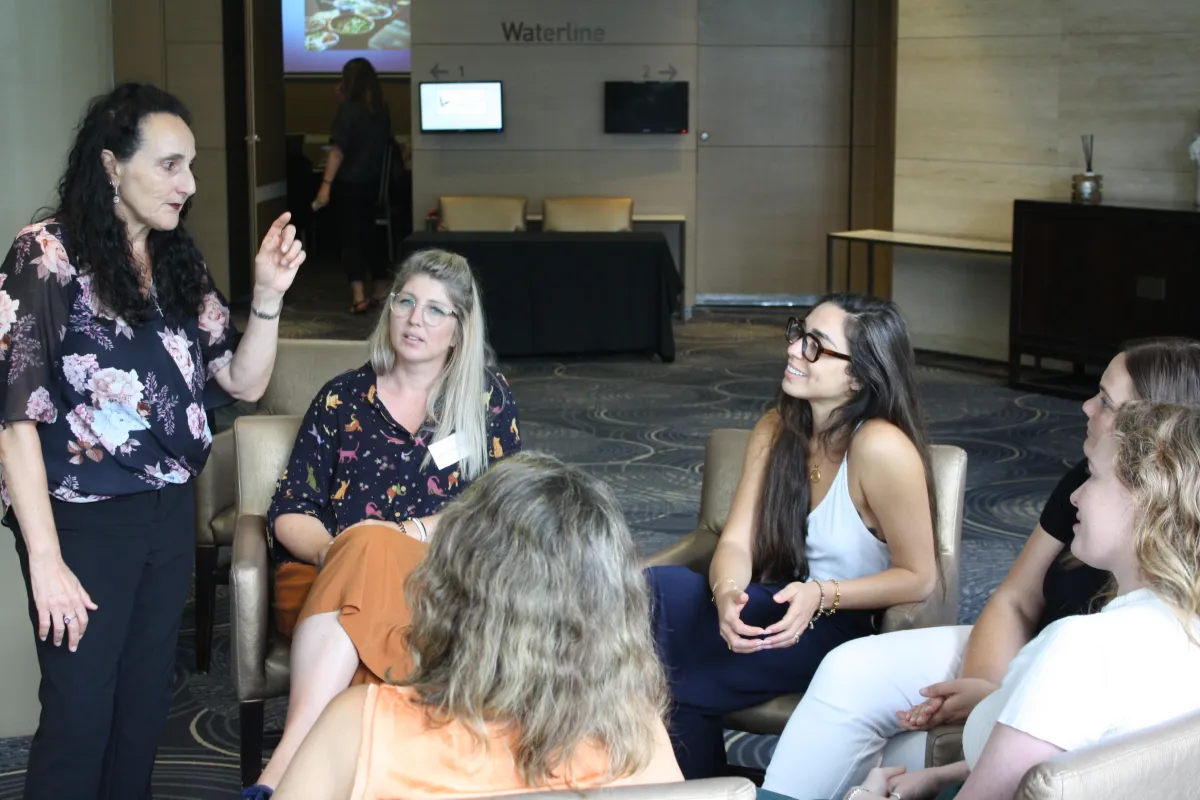
Short psychodynamic courses online, CPD-accredited
Two short, online courses for registered Australian psychologists:
· 11 APS CPD hours · Online · Apply immediately in practice
· 20 APS CPD hours · Online · Apply immediately in practice
No APS or AAPI membership required. Open to any registered psychologist in Australia.
Unlock Deeper Connections & Transformation in 5 Minutes
Watch our exclusive 5-minute promo video for the Deep Mind Transformation Short Course. Rediscover your confidence. Reignite your passion for therapy.
Learn 4 Proven Techniques to Shift from Fixer to Facilitator
Simple: Step-by-step methods that work.
Mindset Shift: Rewire your thinking and design your future as a psychologist.
Master Complex
Concepts, Fast
My clear, concise teaching cuts through the complexity so you can unlock deeper insights.
34 Years of Proven Expertise - At Your Service
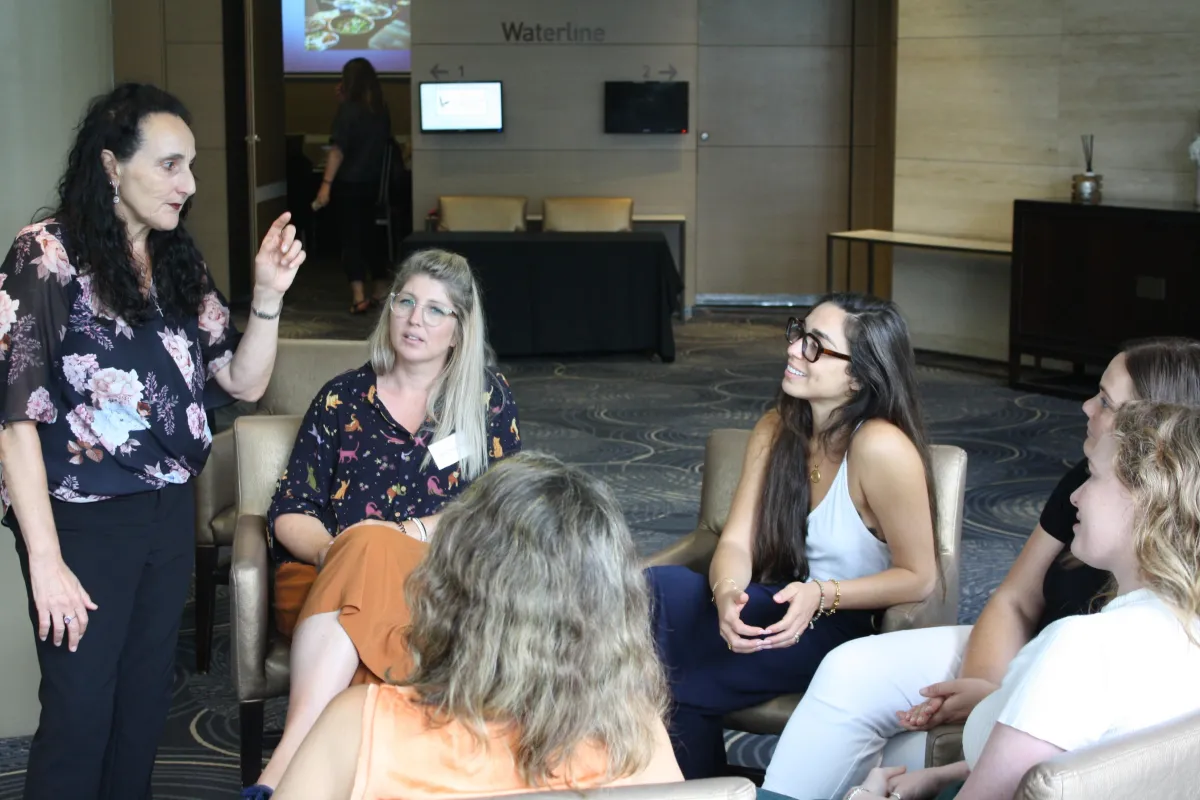
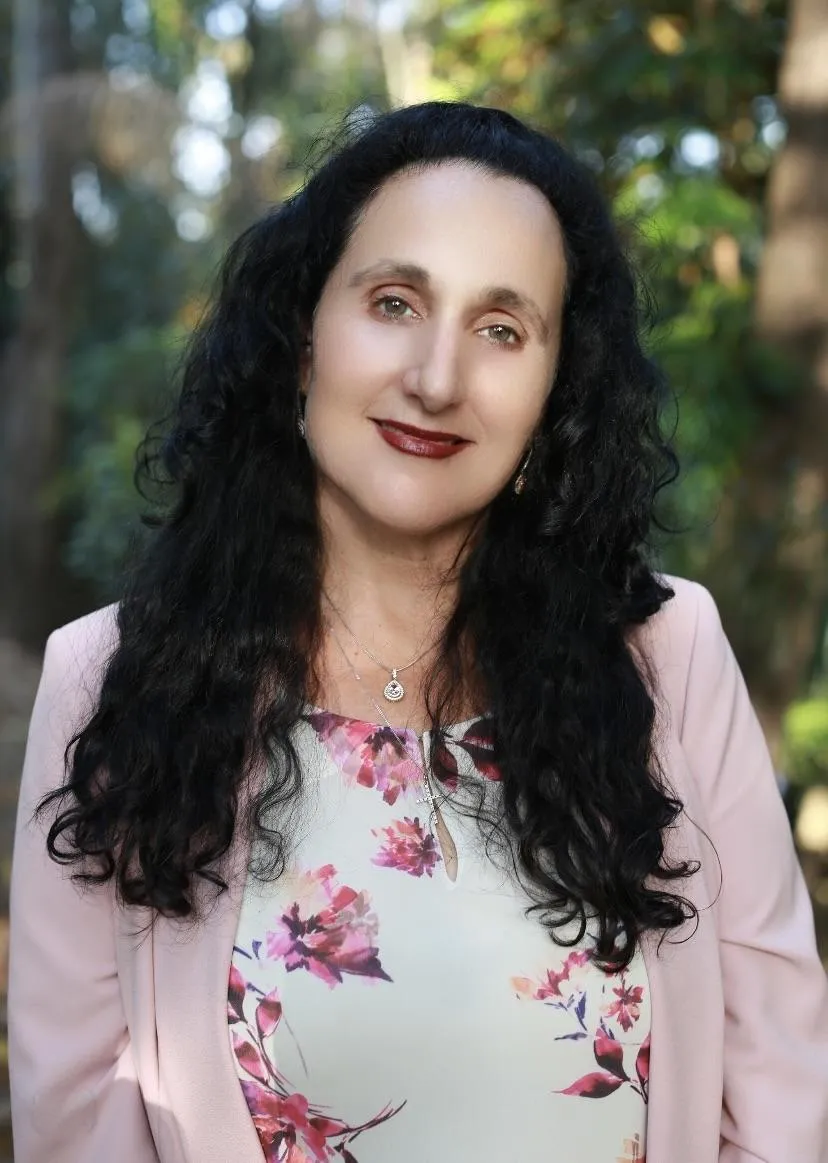
As a Clinical Psychologist and Psychotherapist with over 32 years of experience I am passionate and ready to assist you on your journey towards understanding and freedom. I have specialized with children, adolescents, couples, families, and a wide variety of individuals. I can assist you to enhance and incorporate these teachings into whatever style and niche you currently work in.
I have run over 60 training programs, both live and online, over the past 15 years.
I’m a Clinical Psychologist and
Psychotherapist with over 34 years of hands-on experience transforming lives. Whether you work with children, adolescents, couples, or families, I bring methods that work—tailored for your niche.
What I Bring to the Table:
34+ Years of Clinical Mastery: Real-world experience you can trust.
80+ Training Programs: Live and online sessions over the past 15 years.
20+ Years in Supervision & Coaching: Empowering Psychologists to excel.
Hundreds of Success Stories: Helping Psychologists master psychotherapy, trauma, addiction, grief, and family systems.
The future you dream of is closer than you think.
Let me introduce you to a revolutionary
way of thinking and working—one that redefines
what’s possible for you as a psychologist.